
EICR Certificate in Shropshire
Electrical Installation Condition Reports carried out by NICEIC Domestic Installer registered electricians. Fast turnaround. Book your EICR certificate in Shropshire for landlords, homeowners, homebuyers, and businesses with reporting accepted by insurers and agents.
What is an EICR and do I need one?
An EICR (Electrical Installation Condition Report) is a formal electrical safety inspection of your fixed wiring, consumer unit, sockets, switches, lighting circuits, and earthing arrangements. It confirms whether your installation is safe for continued use and whether it meets current wiring standards.
If you are a landlord, an EICR is a legal requirement in England. If you are a homeowner or business owner, it is strongly recommended as part of planned maintenance and is often requested by insurers, buyers, or mortgage providers.
In short: if your property has not had a recent inspection, or you are renting/selling/managing property, booking an EICR certificate in Shropshire is the safest and most practical next step — especially across Telford and Shrewsbury where landlords and buyers often need fast turnaround.
Soft heads-up: our next available inspection slots in Telford and Shrewsbury can fill quickly during busy letting and sales periods.
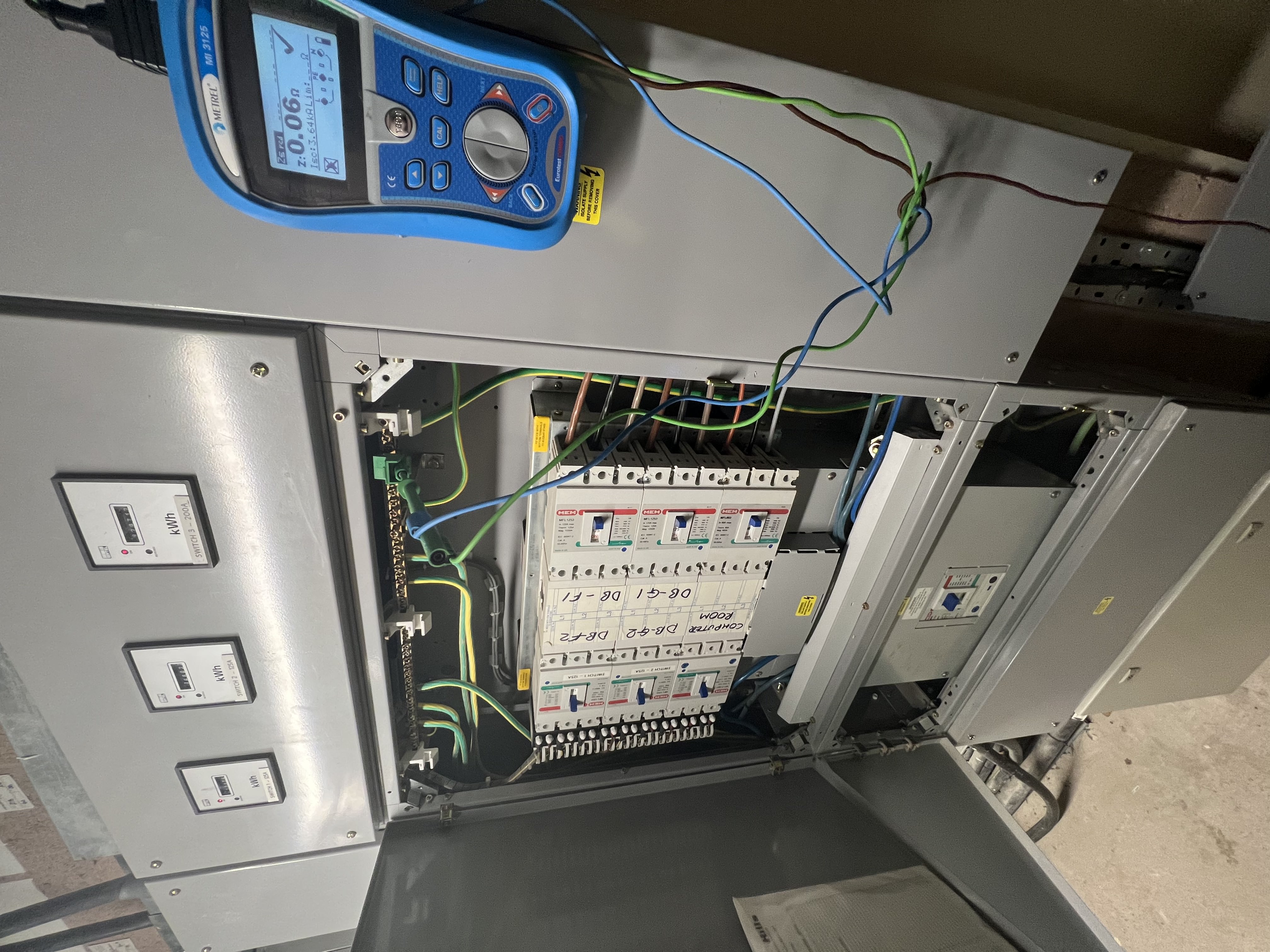
How Much Does an EICR Certificate Cost in Shropshire?
Costs depend on property size, number of circuits, age of installation, and access. For transparency, realistic UK pricing usually falls into these ranges:
- 1-2 bed flat: typically £150-£220
- 3-4 bed house: typically £200-£350
- Larger homes / HMOs / commercial: from £300+, quoted by scope once we have reviewed circuit count, installation age, access, and complexity
These are guide prices, not fixed promises. We provide a clear quote before work starts, and if remedial work is needed we price that separately so you stay in control of cost.
Need related upgrades at the same visit? We can also advise on fuse board upgrades and rewiring, plus safety improvements identified during inspection.
When Do You Need an EICR Certificate?
Landlords and letting compliance
Private rented properties in England require an EICR on a 5-year cycle (or sooner if the report states). It helps you remain compliant and avoid enforcement risk.
Homebuyers and sellers
If you are buying or selling, an EICR provides a clear view of electrical condition and potential remedial costs, reducing uncertainty during negotiations.
Insurance and risk management
Many insurers and portfolio managers request up-to-date electrical inspection evidence. A current EICR can support claims, renewals, and risk reviews.
Periodic safety checks
Even where not legally required, periodic inspection is good practice: commonly every 10 years for owner-occupied homes and around every 5 years for many commercial premises.
What happens during an EICR inspection?
1. Initial review and visual checks
We inspect the consumer unit, visible wiring, accessories and bonding for wear, damage, poor workmanship or signs of overheating.
2. Electrical testing
We test circuits, insulation resistance, polarity, earthing and RCD operation. Power is switched off in stages for safe testing.
3. Coding and report issue
Findings are coded C1, C2, C3 or FI with clear explanations. You receive a professional report showing whether the outcome is Satisfactory or Unsatisfactory.
4. Next steps and remedials
If needed, we provide a practical remedial plan and can complete corrective work quickly so you can obtain a satisfactory certificate.
Typical timeframes
Most homes take around 2-4 hours. Larger or older properties may take longer. Reports are usually issued the same day or next working day depending on scope, including for appointments in Telford and Shrewsbury.
Common Issues Found During EICR Inspections in Shropshire
Most properties do not fail because of one major fault. More often, we find a combination of smaller issues that together create safety or compliance risks. Typical examples include:
- Older consumer units without modern RCD protection (often resolved with fuse board upgrades and rewiring)
- Inadequate earthing or bonding to gas/water services, especially on older installations and altered circuits
- Damaged sockets, switches, or signs of overheating at accessories, often linked to wear and long-term overload
- Circuit identification and labelling that is unclear or missing, making fault-finding and safe isolation harder
- DIY alterations that do not meet BS 7671 requirements, including poor terminations and non-compliant additions
- Deterioration in outbuildings, rental properties, or high-use circuits (especially where commercial electrical loads are involved)
If your report is unsatisfactory, we explain each code in plain language and give you a practical remedial path to achieve compliance quickly.
EICR requirements for landlords in the UK
For private rented properties in England, landlords must hold a valid EICR and keep the electrical installation safe throughout the tenancy. The standard inspection cycle is every 5 years, or sooner if the report recommends earlier testing.
- Supply report copies to tenants and authorities when requested
- Complete required remedial work within the legal timeframe (typically 28 days)
- Keep compliance records for auditing and future tenancy changes
If your portfolio spans multiple locations, we can schedule inspections in batches to reduce void-time risk and admin workload.
Book Landlord EICR InspectionsWhat if a property fails?
An unsatisfactory result does not mean you start over. It means specific issues must be corrected. We provide a clear remedial list, complete the required works, and issue the supporting documentation so you can demonstrate compliance.

EICR FAQs
Typical pricing is usually around GBP 150-220 for a 1-2 bed flat, GBP 200-350 for a 3-4 bed house, and from GBP 300+ for larger homes, HMOs, or commercial properties depending on scope and circuit complexity.
Most homes take 2-4 hours. Larger homes, older wiring, and complex layouts can take longer.
Someone must provide access, but you do not always need to attend personally. Power is isolated in stages during testing.
Yes. For private rented properties in England, landlords must have a valid EICR and typically renew it every 5 years, provide copies when required, and complete any required remedial works within the legal timeframe.
Any C1, C2, or FI observations must be addressed. We provide a remedial plan, complete the corrective work if required, and issue updated certification evidence once the installation is compliant.
It is strongly recommended. An EICR gives buyers a clear view of electrical safety and likely remedial costs before completion.
Most reports are issued the same day or the next working day, depending on property size and whether further investigation is required.
Yes, power is isolated in controlled stages while circuits are tested. Outages are usually brief and managed safely.
Yes. We can complete remedials and related upgrades in one workflow, including repairs, protective device improvements, and where needed, broader commercial electrical works.
Book your EICR certificate in Shropshire
Get a clear quote, fast inspection slots, and professional reporting for homeowners, landlords, and businesses across Shropshire.